Tell us about the job
Takes about a minute. No obligation.
A contractor quoting furnace repair in Lincoln County starts with the system's service record, not the weather outside. 70 severe weather events were recorded in Lincoln County, Kentucky between 2015 and 2024. At that rate, severe weather is an event here, not a constant. A furnace that is failing has almost certainly been failing for reasons the weather does not explain: an aging heat exchanger, a neglected filter, or an original install that was never quite right. The contractor's first questions are about what the system has been asked to do and how well it was set up to do it.
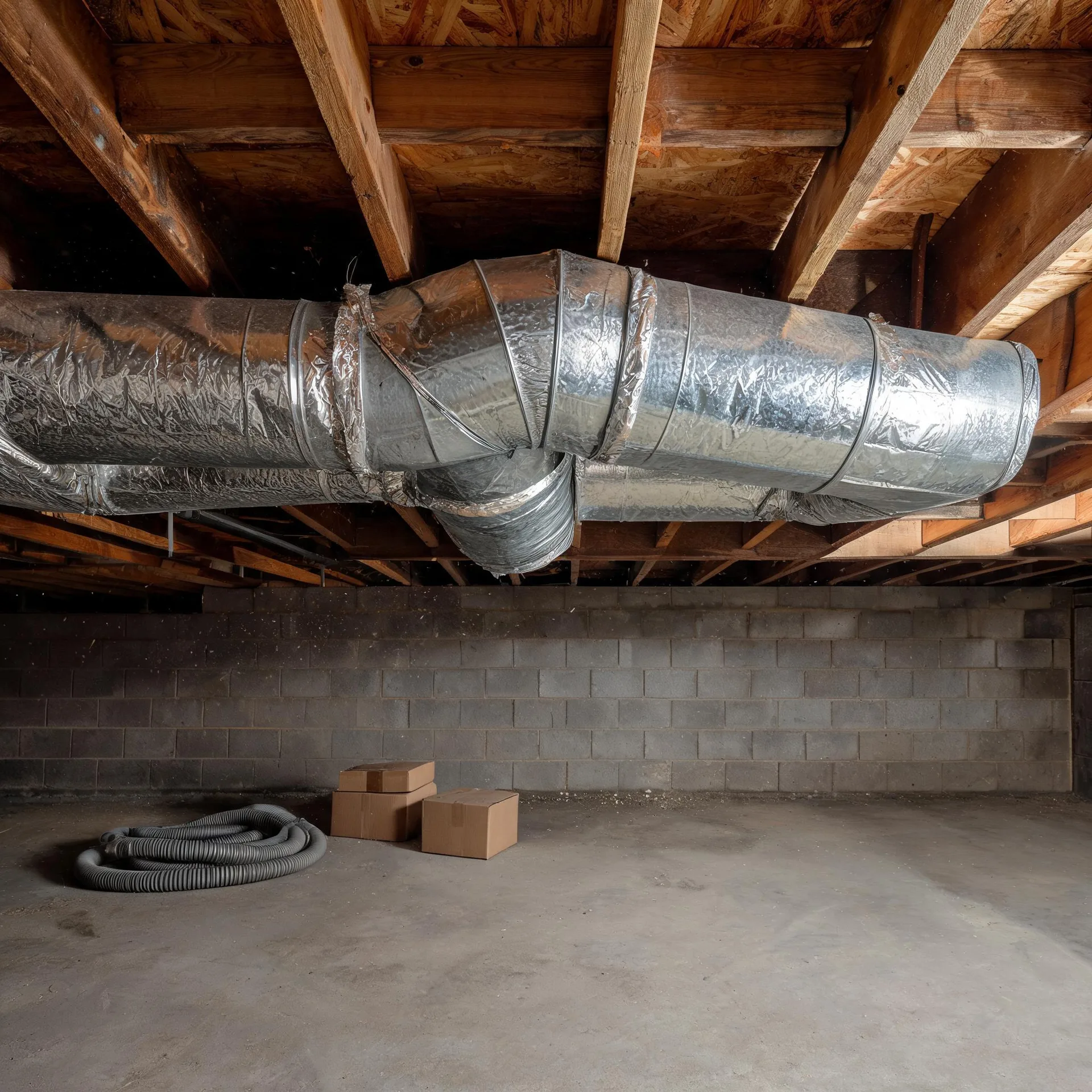
Older furnaces tend to carry parts that were already a generation removed from what the house was first built around. Half the homes in Lincoln County, Kentucky were built in 1986 or earlier (2020-2024 ACS 5-year). A contractor opening a furnace here may find that the heat exchanger, igniter, or control board it takes is still available, or that it has been superseded and a compatible replacement has to be sourced separately. That sourcing decision lands on the quote, not the diagnosis, so a homeowner can receive a fair assessment of what is wrong and still face a second conversation about what the repair actually costs once the part is tracked down.
The Parts of a Furnace a Contractor Checks First
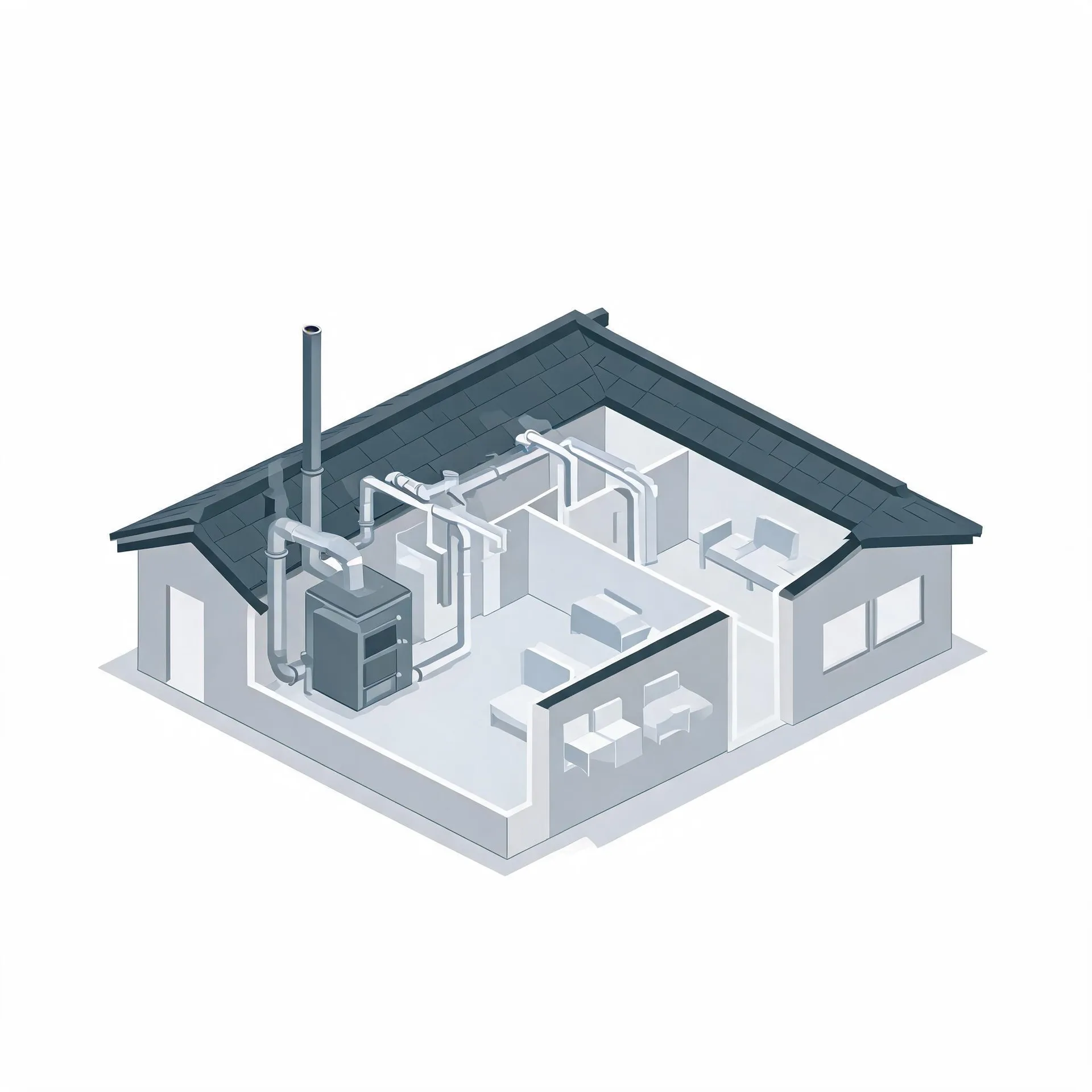
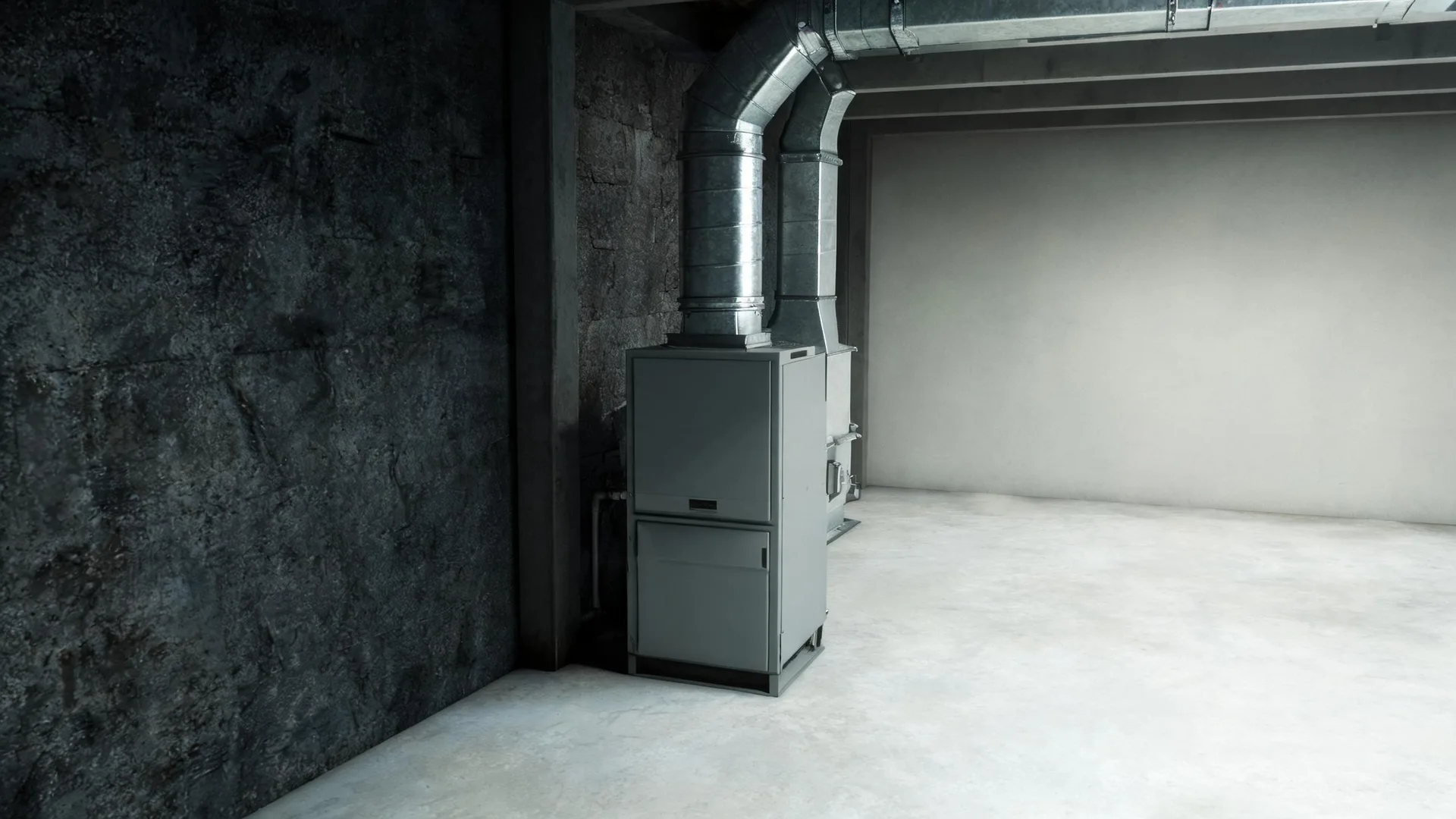
The furnace itself sits in a basement, utility closet, or crawl space and is the piece a contractor goes to first. Inside it, the heat exchanger is the part that fails most quietly and matters most: cracks there let combustion gases into the air supply. The burners, ignitor, and flame sensor all sit inside the cabinet and are the pieces a contractor checks when the unit will not light or will not stay lit.
The blower motor and its fan wheel sit in the lower half of the cabinet and push conditioned air out through the supply side of the duct system. Near the furnace, the flue pipe carries exhaust gases out of the house, and the gas valve controls fuel coming in. Both are in the contractor's path on any repair call.
The drawing shows a typical furnace layout, and a licensed contractor determines which components apply to the specific system in your home.
Get matched in Lincoln CountyLincoln County, Kentucky, by the numbers
70 severe weather events were recorded in Lincoln County, Kentucky between 2015 and 2024.
NOAA National Centers for Environmental Information, Storm Events Database, bulk CSV export, events 2015-01-01 through 2024-12-31.Half the homes in Lincoln County, Kentucky were built in 1986 or earlier (2020-2024 ACS 5-year).
U.S. Census Bureau, 2020-2024 American Community Survey 5-Year EstimatesLincoln County, Kentucky holds 10,938 housing units (2020-2024 ACS 5-year).
U.S. Census Bureau, 2020-2024 American Community Survey 5-Year EstimatesOwners occupy 76.4% of the occupied homes in Lincoln County, Kentucky (2020-2024 ACS 5-year).
U.S. Census Bureau, 2020-2024 American Community Survey 5-Year EstimatesCodes & Standards Behind Furnace and HVAC Repair in Lincoln County, Kentucky5 sourced rules and standards
What Happens When the Contractor Comes Out
Non-weatherized gas furnaces manufactured on or after November 19, 2015 must reach 80.0 percent AFUE.
Non-weatherized oil-fired furnaces manufactured on or after November 19, 2015 must reach 83.0 percent AFUE.
Mobile home gas furnaces manufactured on or after November 19, 2015 must reach 80.0 percent AFUE.
Non-weatherized gas furnaces manufactured on or after December 18, 2028 must reach 95.0 percent AFUE, up from the 80.0 percent minimum that applies to units manufactured before that date.
Licensing Rules for HVAC Repair in Lincoln County, Kentucky
Kentucky requires a licence to practise heating, ventilation and air conditioning contracting: a person may not do the work unless they have met the state licensing requirements.
Severe Weather Events in Lincoln County
Extreme weather puts real stress on a furnace, and repeated strain accumulates over time. How often that strain hits Lincoln County shapes how hard the equipment in this area has to work and how soon repair needs tend to surface.
70 severe weather events, 2015–2024. Source: NOAA National Centers for Environmental Information, Storm Events Database.