Tell us about the job
Takes about a minute. No obligation.
A furnace that needs repair in Fayette County has not been sitting idle between seasons. 143 severe weather events were recorded in Fayette County, Kentucky between 2015 and 2024. At that rate, severe weather is a standing condition for equipment here, not a rare disruption. A contractor who opens a furnace in this area checks heat exchangers, pressure switches, and ignition components for wear patterns that accumulate under that kind of load before settling on a cause. What they find often points to parts that were already stressed before the system finally showed it.
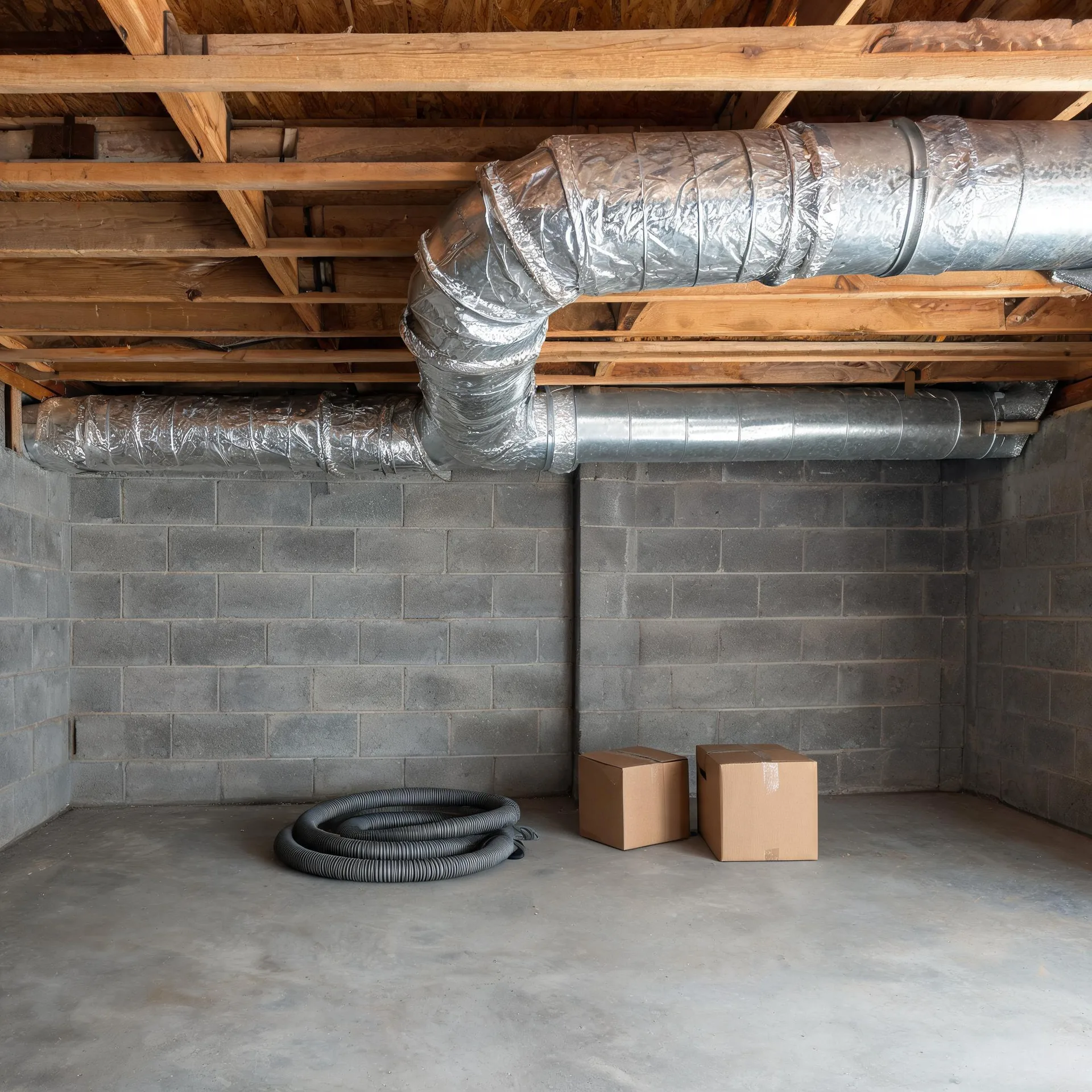
Furnaces in houses built for an earlier generation of equipment have often been replaced once or twice already, and each replacement leaves behind its own record inside the unit. Half the homes in Fayette County, Kentucky were built in 1984 or earlier (2020-2024 ACS 5-year). What a contractor finds once a furnace is opened in stock this old ranges from parts that are still widely available to components that require sourcing from a shrinking pool of suppliers. That gap in parts availability is what separates a straightforward repair from one that stretches the job or changes the recommendation entirely.
The Parts of a Furnace a Contractor Checks First
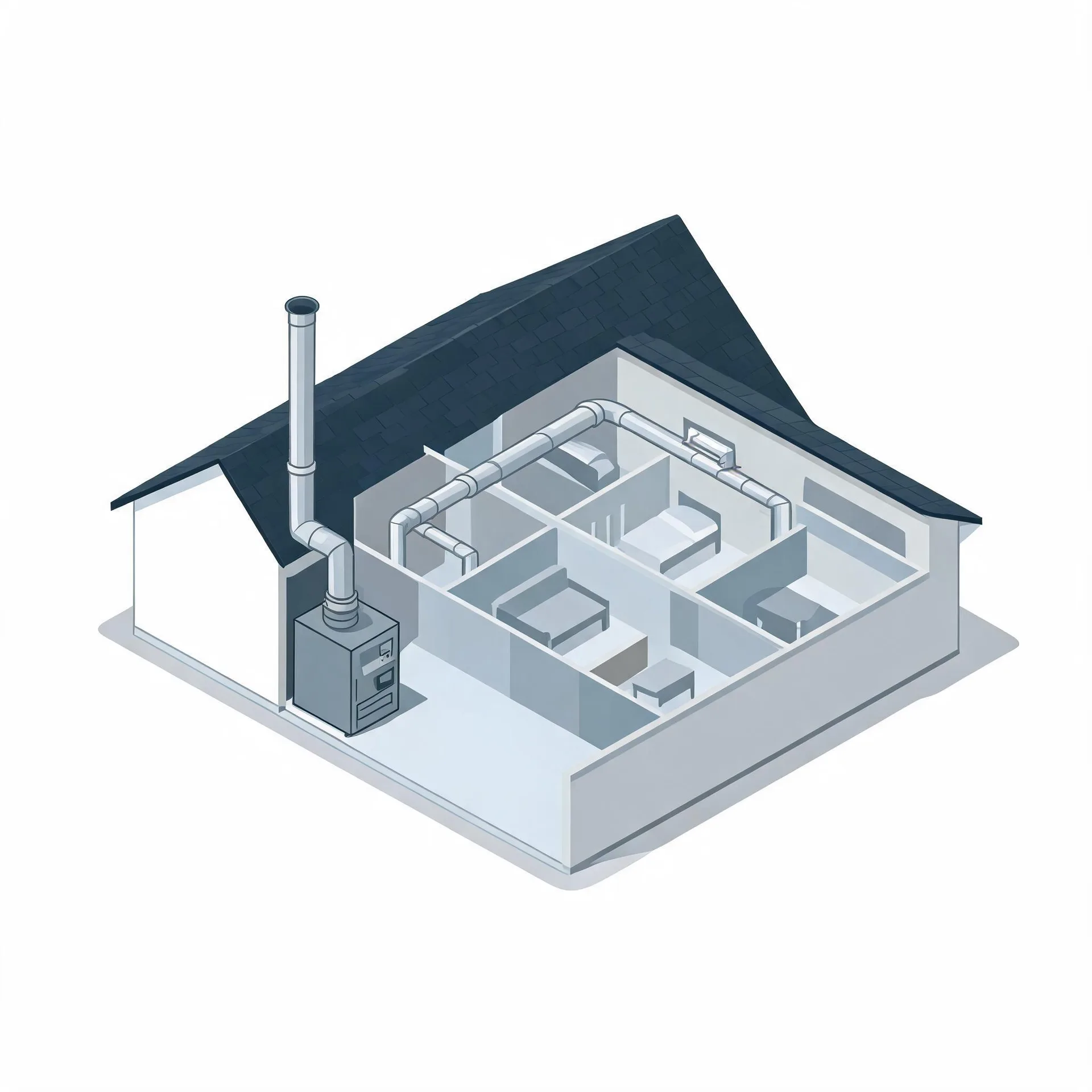
The heat exchanger sits inside the furnace cabinet in the basement or utility closet and is the piece a contractor looks at closely when the system is running but not warming the house. The burner assembly feeds it, and a cracked exchanger or a dirty burner shows up fast in how the furnace behaves. The blower motor, which pushes conditioned air out through the ducts, is another common source of trouble when airflow drops or the system cycles oddly.
The flue and venting run from the furnace cabinet up and out of the house, carrying combustion gases away. The igniter and flame sensor sit near the burner and are small parts that cause the furnace to refuse to start when they fail. The control board ties these pieces together, and a contractor reads its fault codes early in the diagnosis.
The drawing shows a typical furnace layout, and a licensed contractor determines which components apply and need attention in your specific home.
Get matched in Fayette CountyFayette County, by the numbers
143 severe weather events were recorded in Fayette County, Kentucky between 2015 and 2024.
NOAA National Centers for Environmental Information, Storm Events Database, bulk CSV export, events 2015-01-01 through 2024-12-31.Half the homes in Fayette County, Kentucky were built in 1984 or earlier (2020-2024 ACS 5-year).
U.S. Census Bureau, 2020-2024 American Community Survey 5-Year EstimatesFayette County, Kentucky holds 148,959 housing units (2020-2024 ACS 5-year).
U.S. Census Bureau, 2020-2024 American Community Survey 5-Year EstimatesOwners occupy 53.8% of the occupied homes in Fayette County, Kentucky (2020-2024 ACS 5-year).
U.S. Census Bureau, 2020-2024 American Community Survey 5-Year EstimatesRules & Standards Governing Furnace and HVAC Repair in Fayette County, Kentucky5 sourced rules and standards
What the Repair Visit Looks Like
Non-weatherized gas furnaces manufactured on or after November 19, 2015 must reach 80.0 percent AFUE.
Non-weatherized oil-fired furnaces manufactured on or after November 19, 2015 must reach 83.0 percent AFUE.
Mobile home gas furnaces manufactured on or after November 19, 2015 must reach 80.0 percent AFUE.
Non-weatherized gas furnaces manufactured on or after December 18, 2028 must reach 95.0 percent AFUE, up from the 80.0 percent minimum that applies to units manufactured before that date.
Licensing Rules for HVAC Repair in Fayette County, Kentucky
Kentucky requires a licence to practise heating, ventilation and air conditioning contracting: a person may not do the work unless they have met the state licensing requirements.
Severe Weather Events in Fayette County
Furnaces in Fayette County work harder when the weather swings hard, and weather-driven stress is one of the main reasons heating equipment fails or needs repair. The chart below tracks recorded severe weather events in the county so you can see the conditions local equipment runs against.
143 severe weather events, 2015–2024. Source: NOAA National Centers for Environmental Information, Storm Events Database.